How might we revolutionize the in-person checkout experience without the need for a physical or digital wallet, while making the transaction fast, secure, and fun?
There will be a point when we no longer depend on physical artifacts to verify our identity. Each year, hundreds of billions of dollars are lost through identity theft, stolen credit cards and insecure online transactions.
It’s just a matter of time before we embrace this change for the better as biometric authorization has proven to be much safer, more secure and more convenient for uses. It’s slowly become normalized as it becomes more ubiquitous.
With this in mind, Visa took over olympic village in Tokyo 2020 to test a biometric payment system allowing athletes to leave their cards at home.
It’s just a matter of time before we embrace this change for the better as biometric authorization has proven to be much safer, more secure and more convenient for uses. It’s slowly become normalized as it becomes more ubiquitous.
With this in mind, Visa took over olympic village in Tokyo 2020 to test a biometric payment system allowing athletes to leave their cards at home.
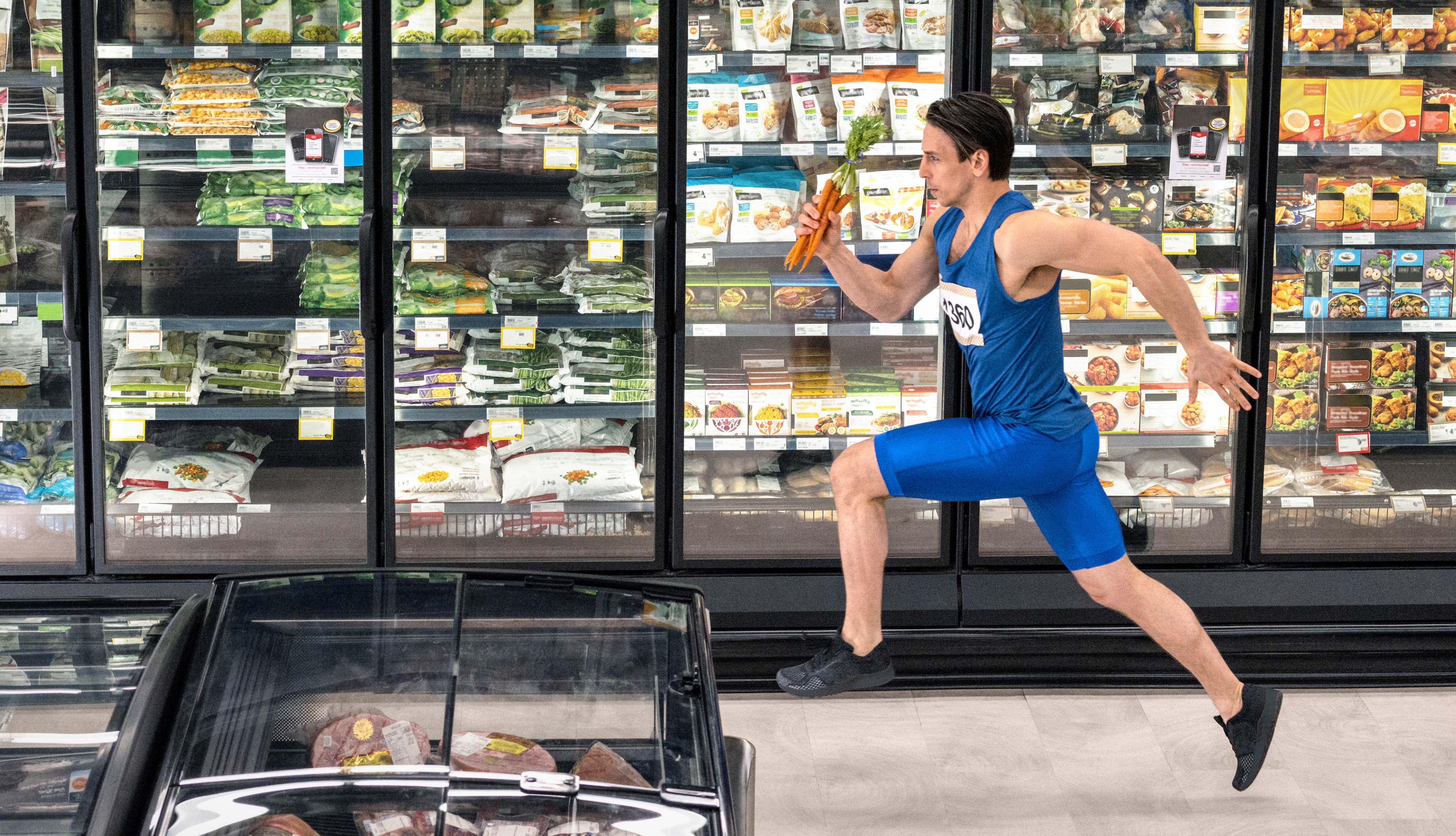
Opportunity- Japan’s government is carrying out the “Cashless Japan” initiative with the goal of doubling digital payments to 40 percent of all transactions in the country by 2025. Comparable markets have much higher rates of digital payments, including South Korea (90 percent), China (70 percent) and the U.S. (60 percent).
The Innovation Design team has been exploring new payment moments that are more secure by utilizing biometrics, and eliminate the need to carry typical payment methods via a wallet or phone. Paring this with the opportunity to highlight Visa technology and elevate Japan's goal of cashless, we created Look-to-Pay.
Starting point- BioPay with BBVA and Decathlon Retail.
BBVA & Visa hosted an ideation workshop on how to remove the friction of payments. The end goal to find solutions that allow people to spend no time or effort in the payment process so that they can enjoy the shopping experience and the pleasure of sport.
We found we could dramatically simplify the user journey with a Biometric checkout experience, and customers loved the process.
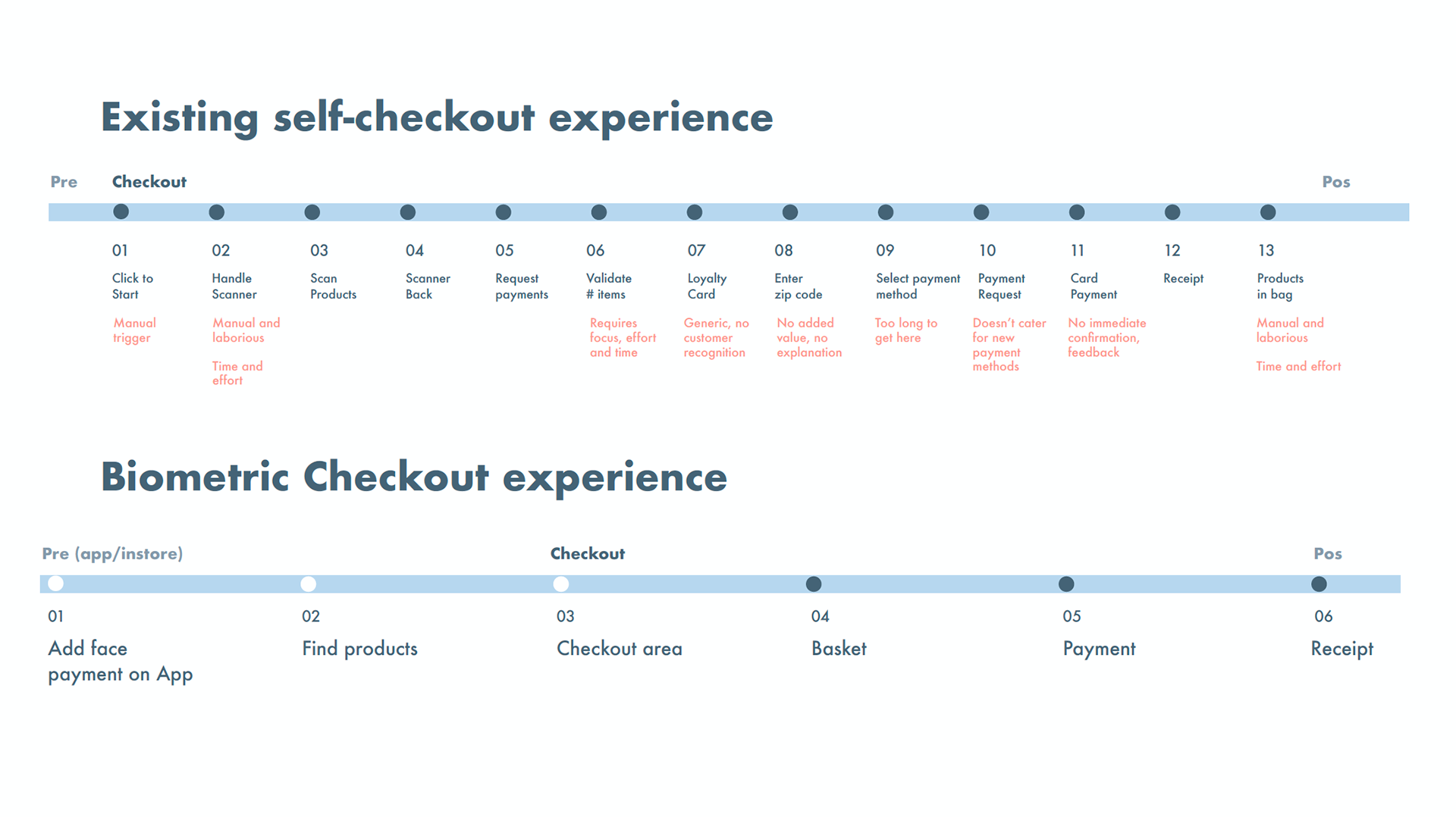
Experience Planning

Olympics Research and Insights
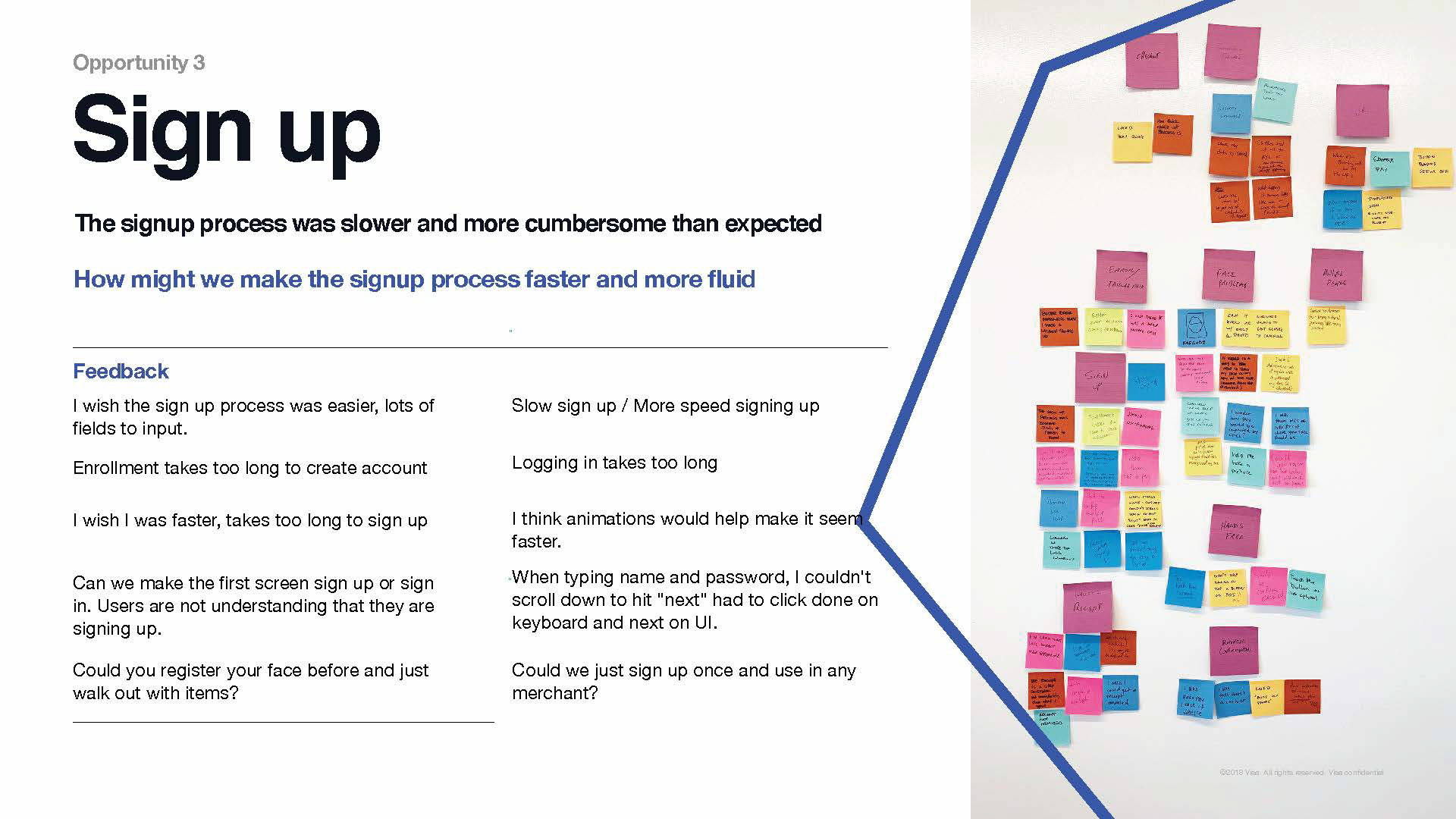
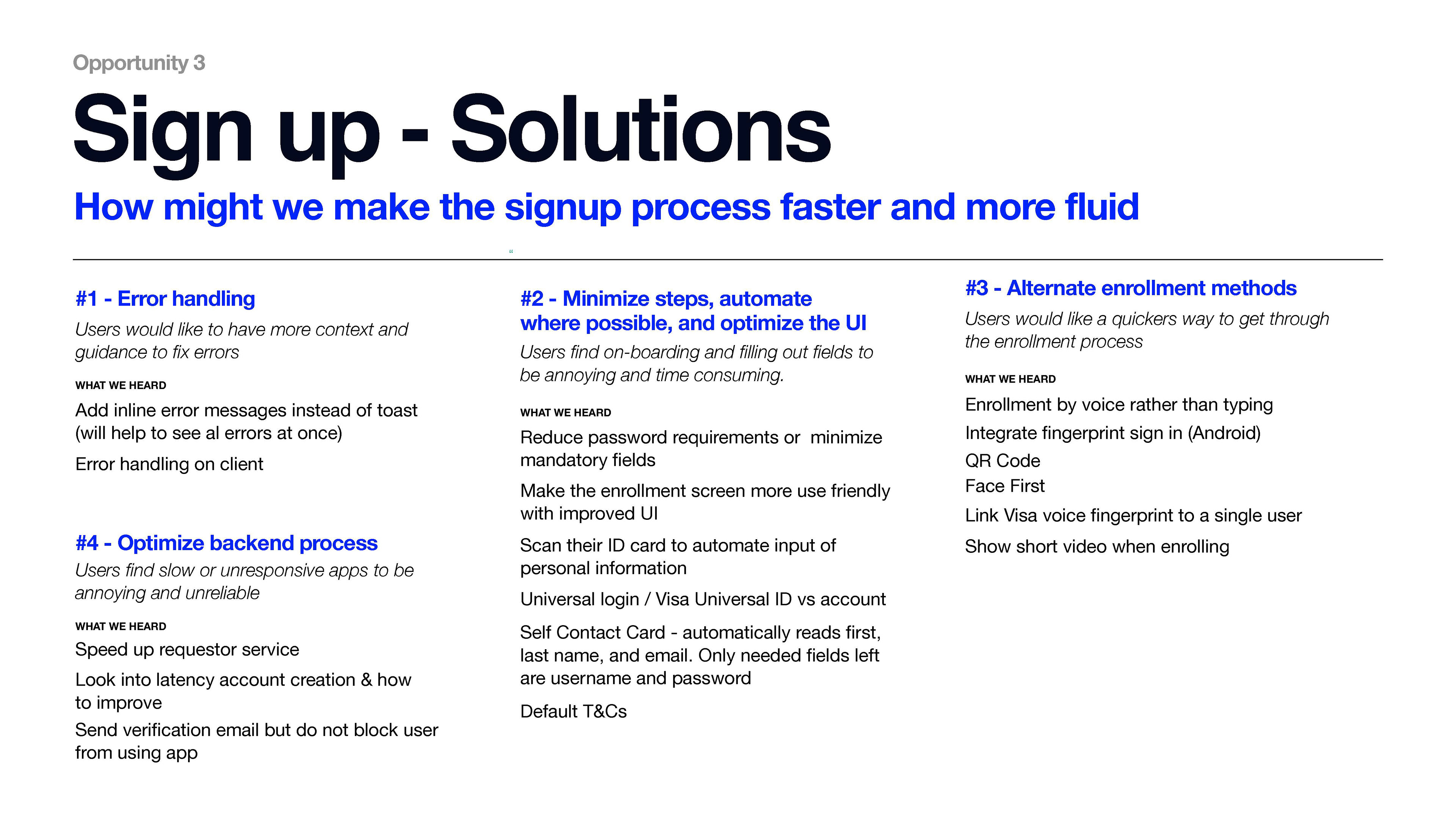
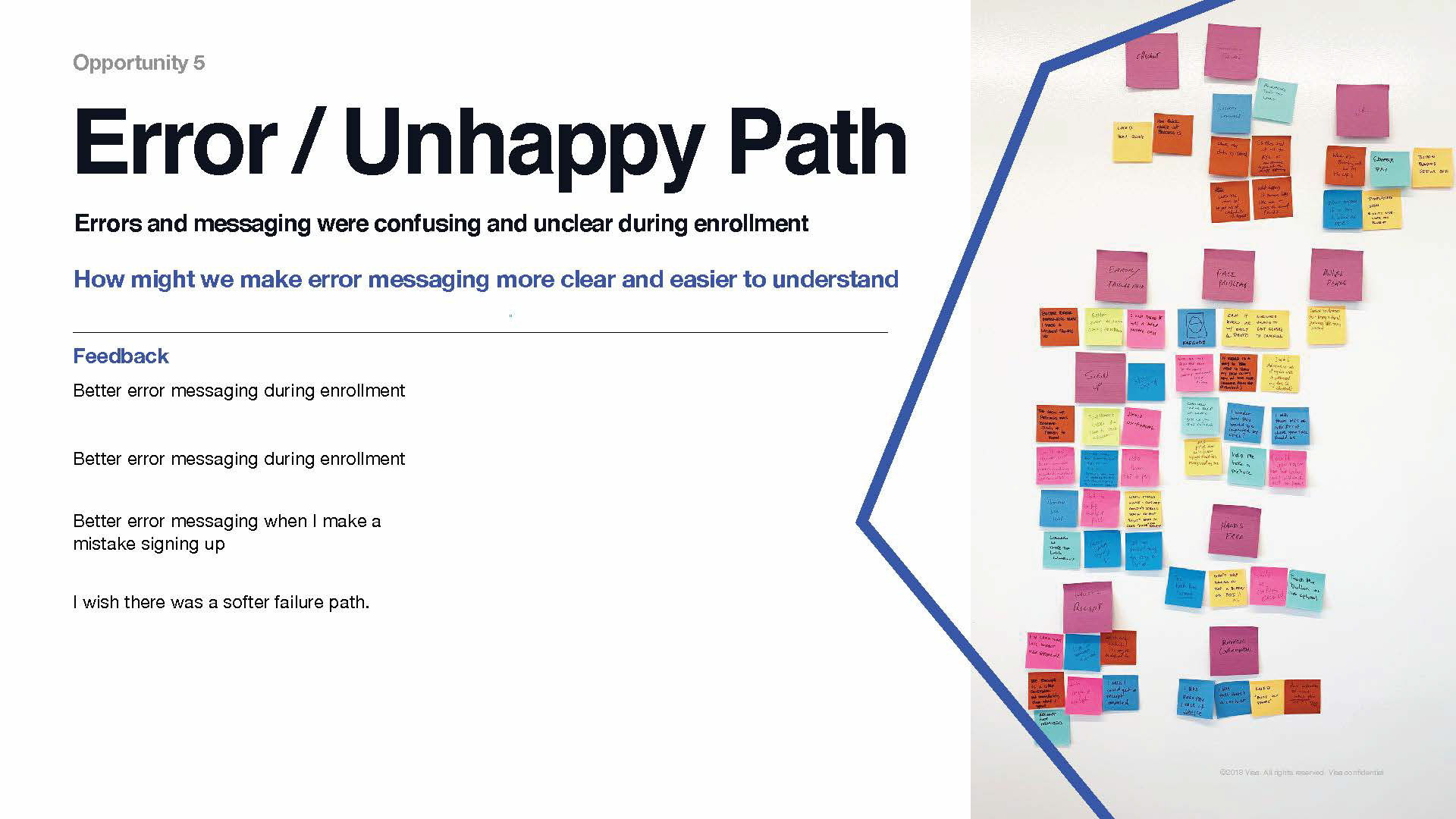
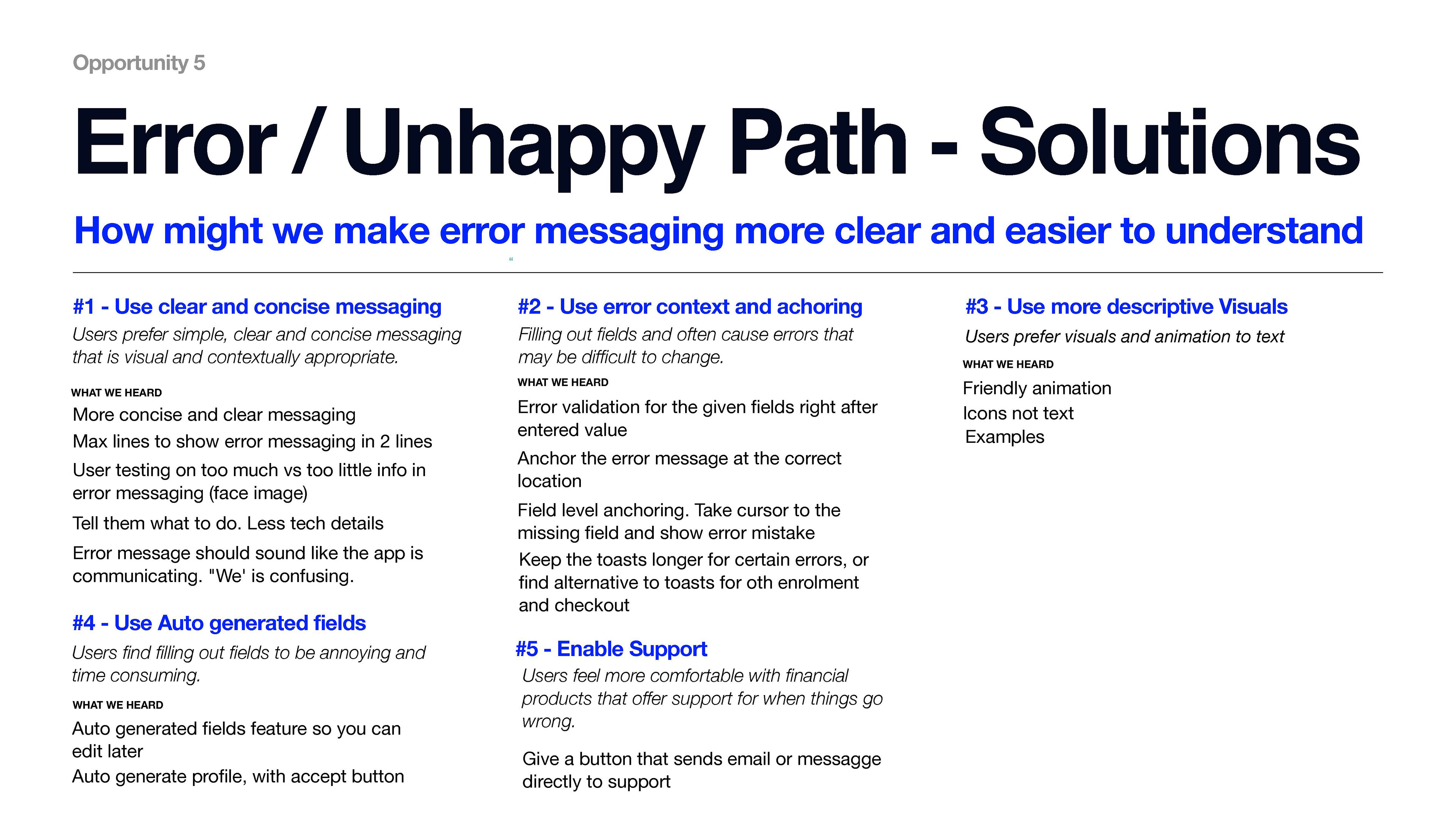
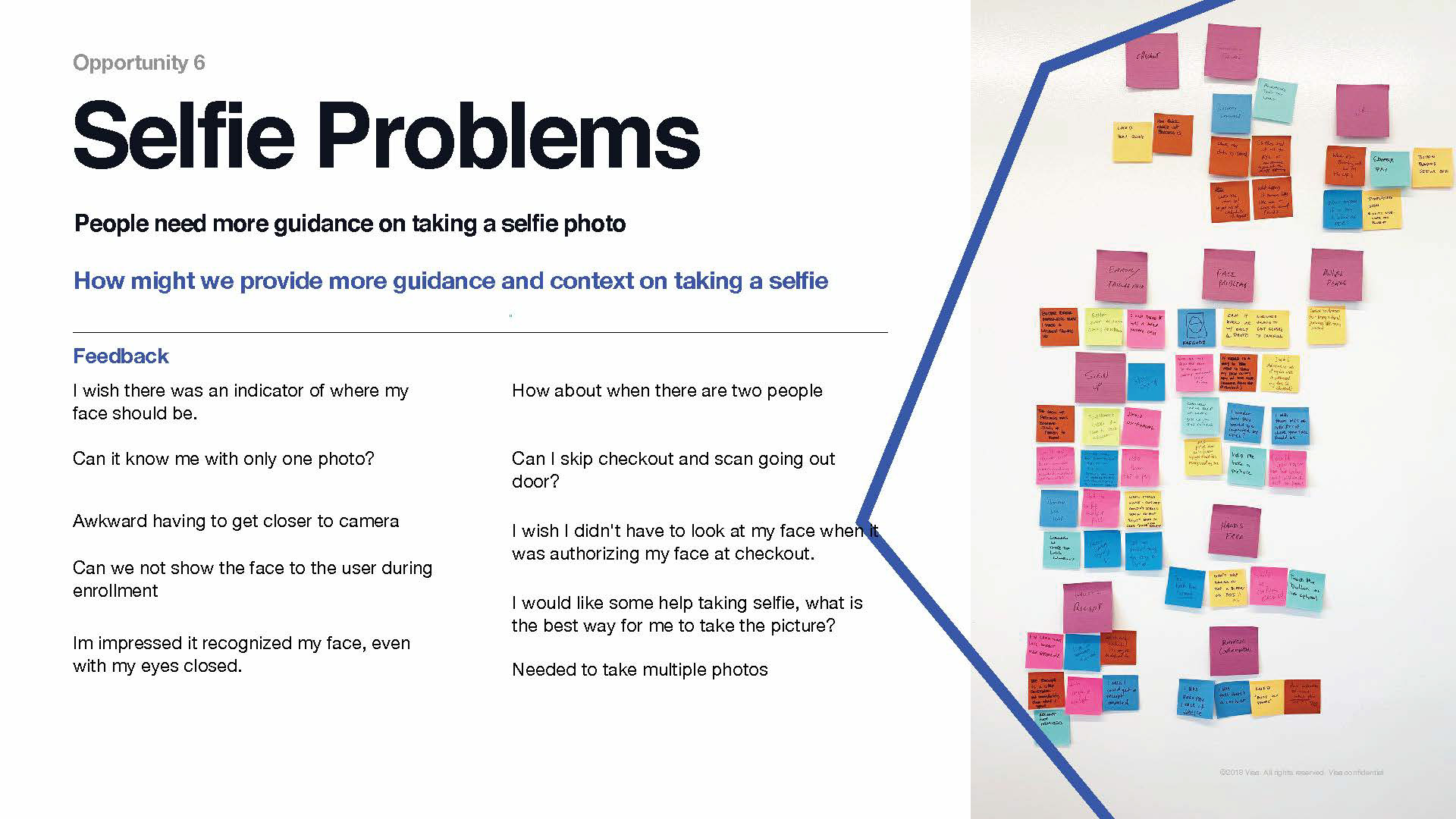
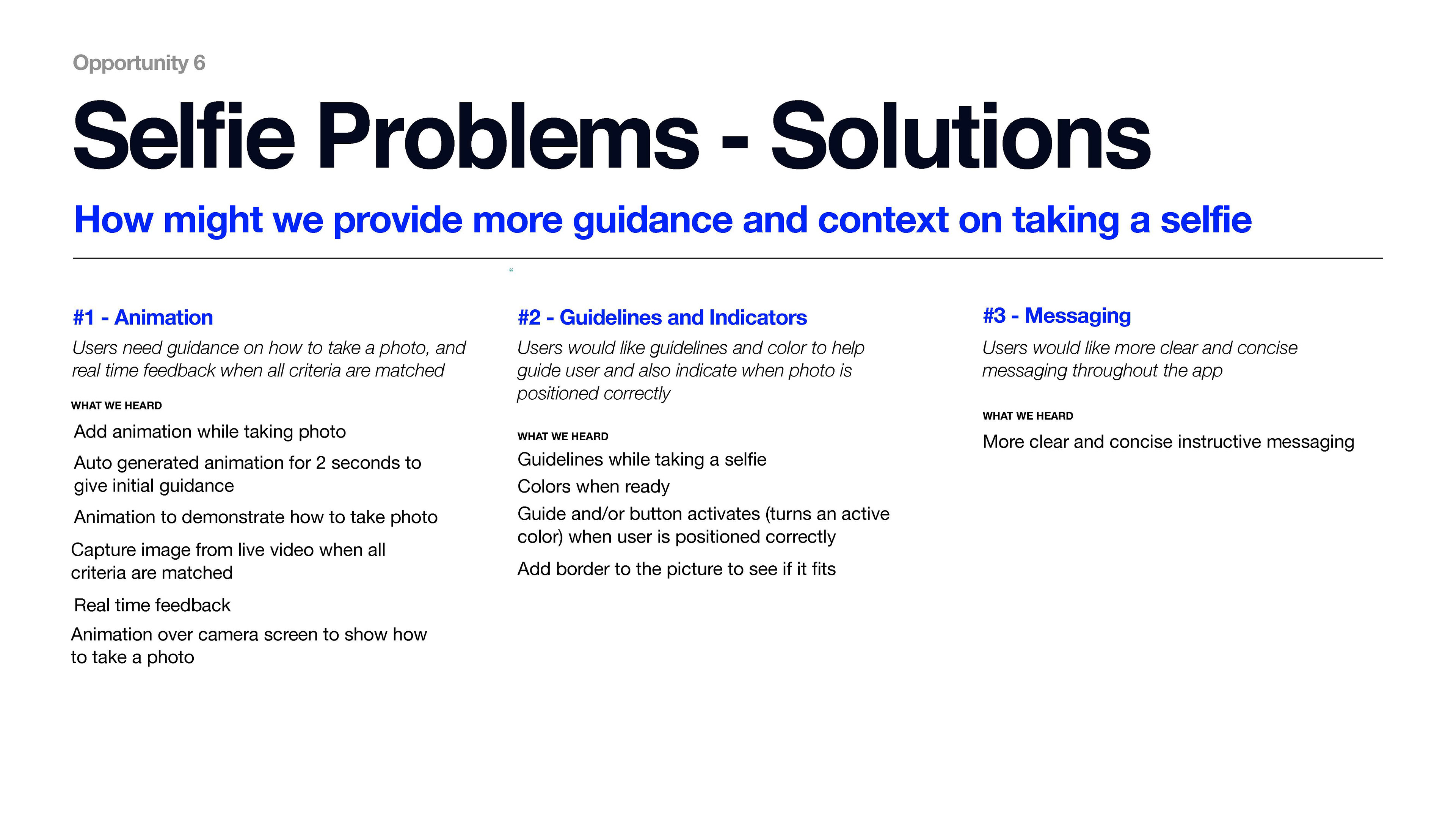
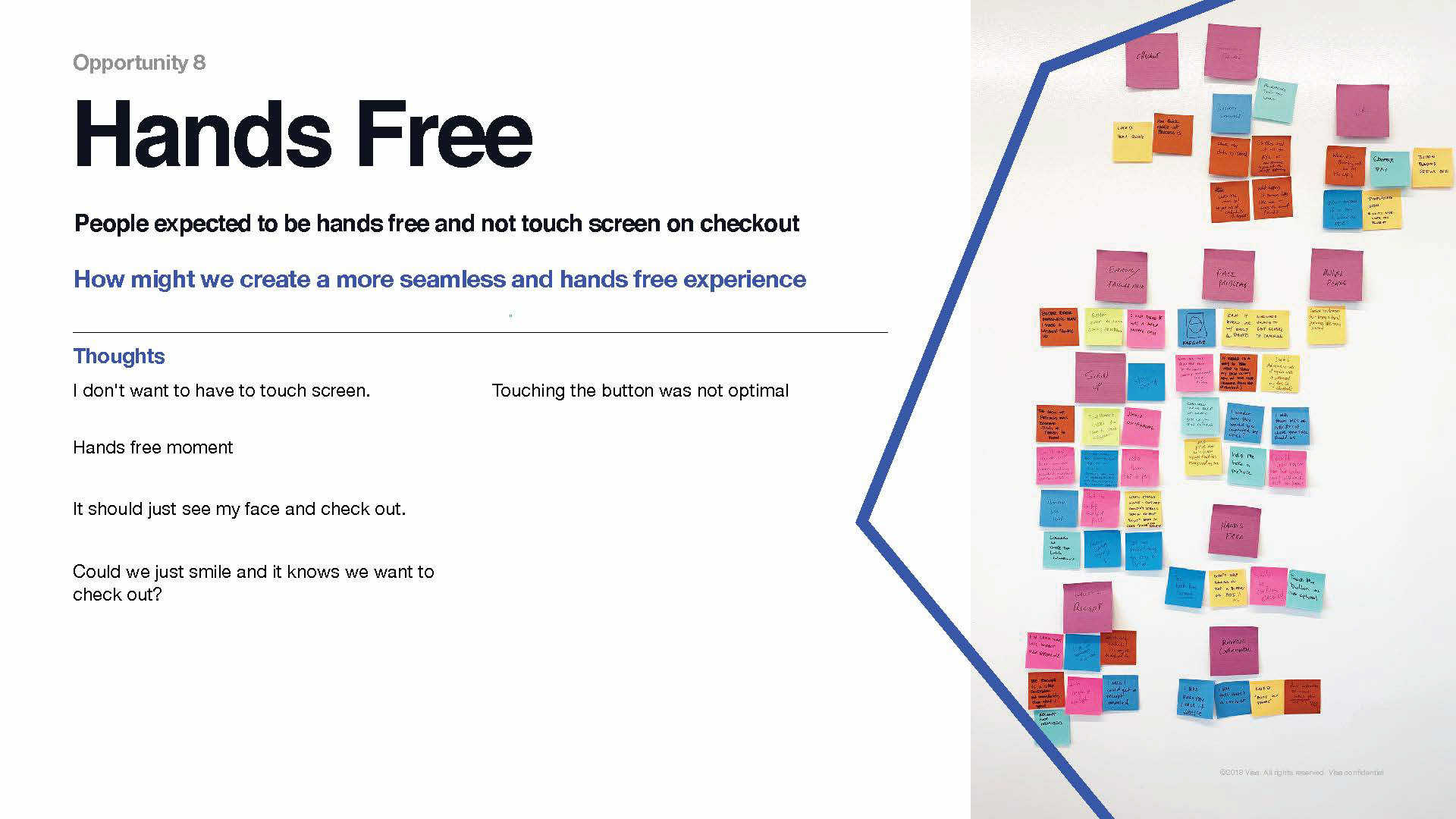
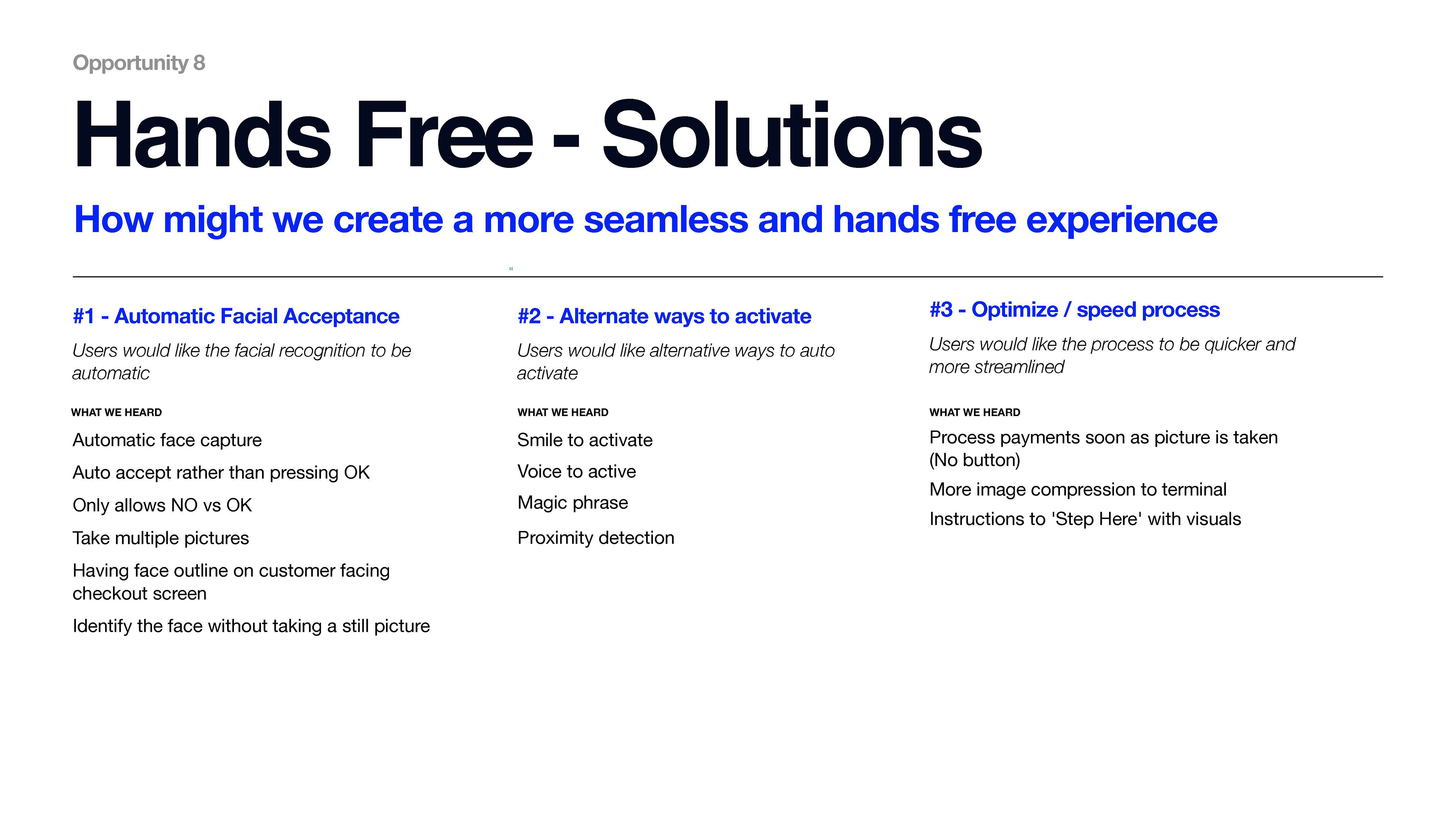
In addition to building off of the work with BBVA, we conducted an additional round of research with US Olympians (who would be using the product onsite), to understand their feelings, habits and concerns with using facial recognition as a payment method.
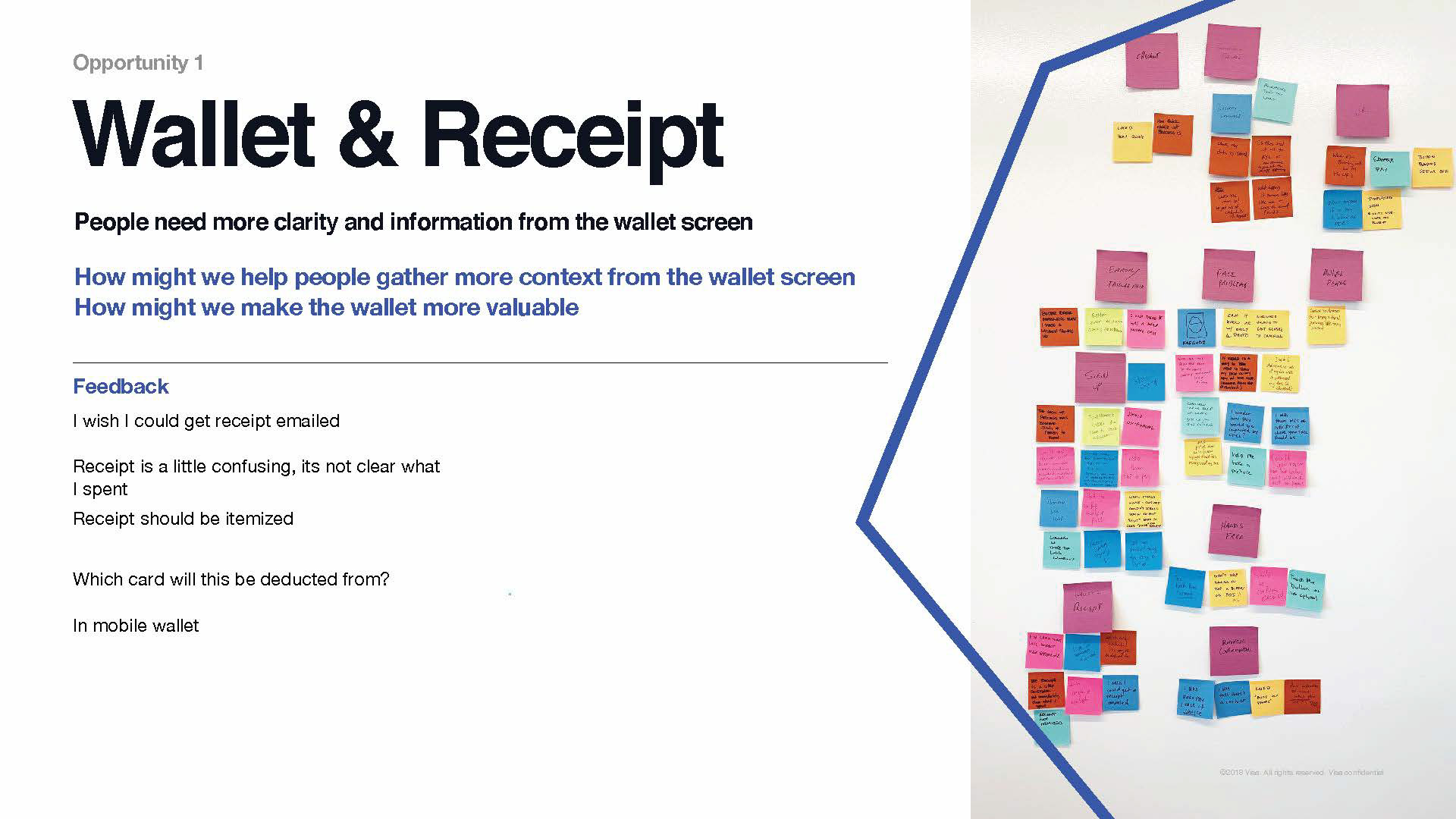
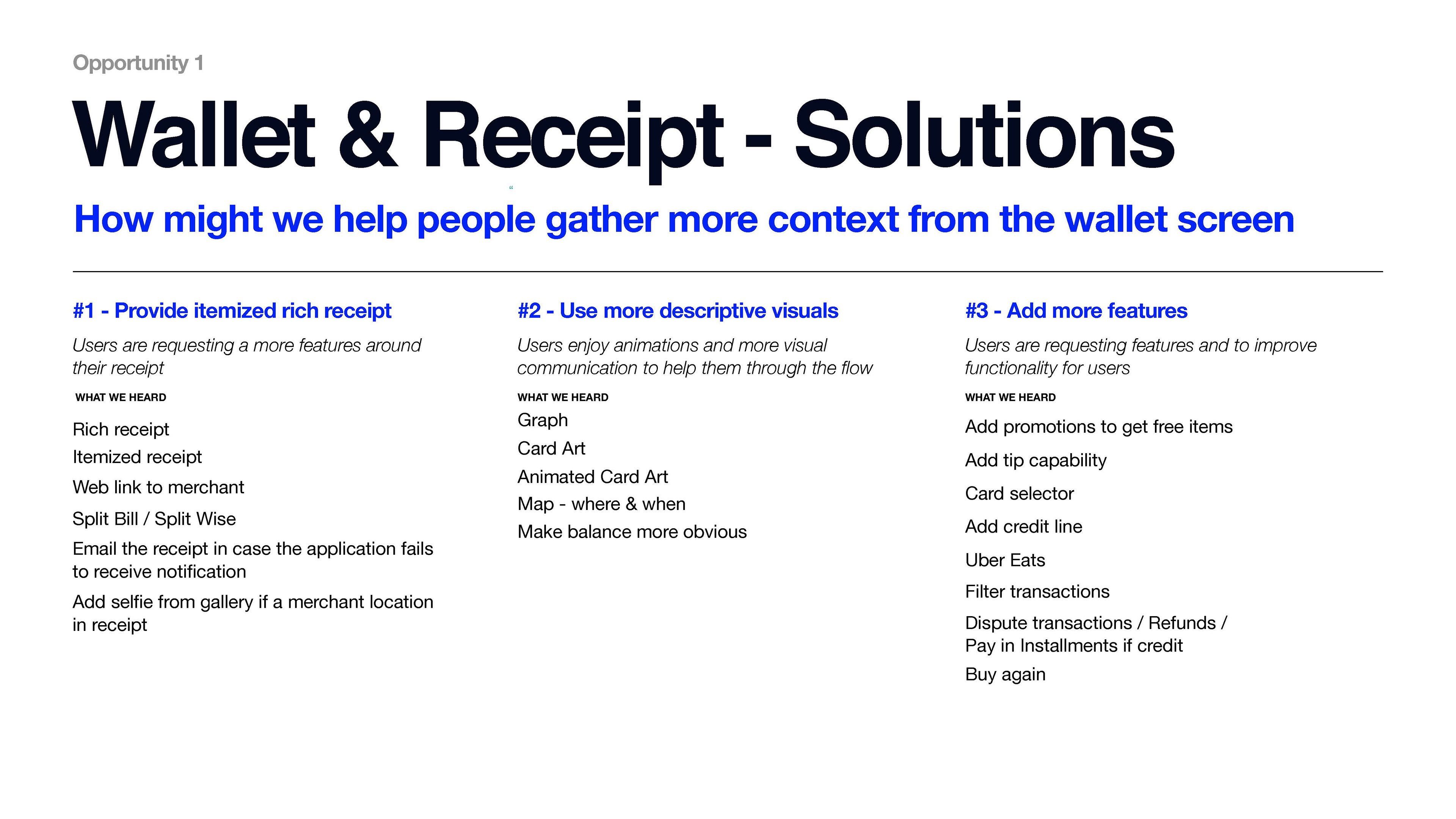
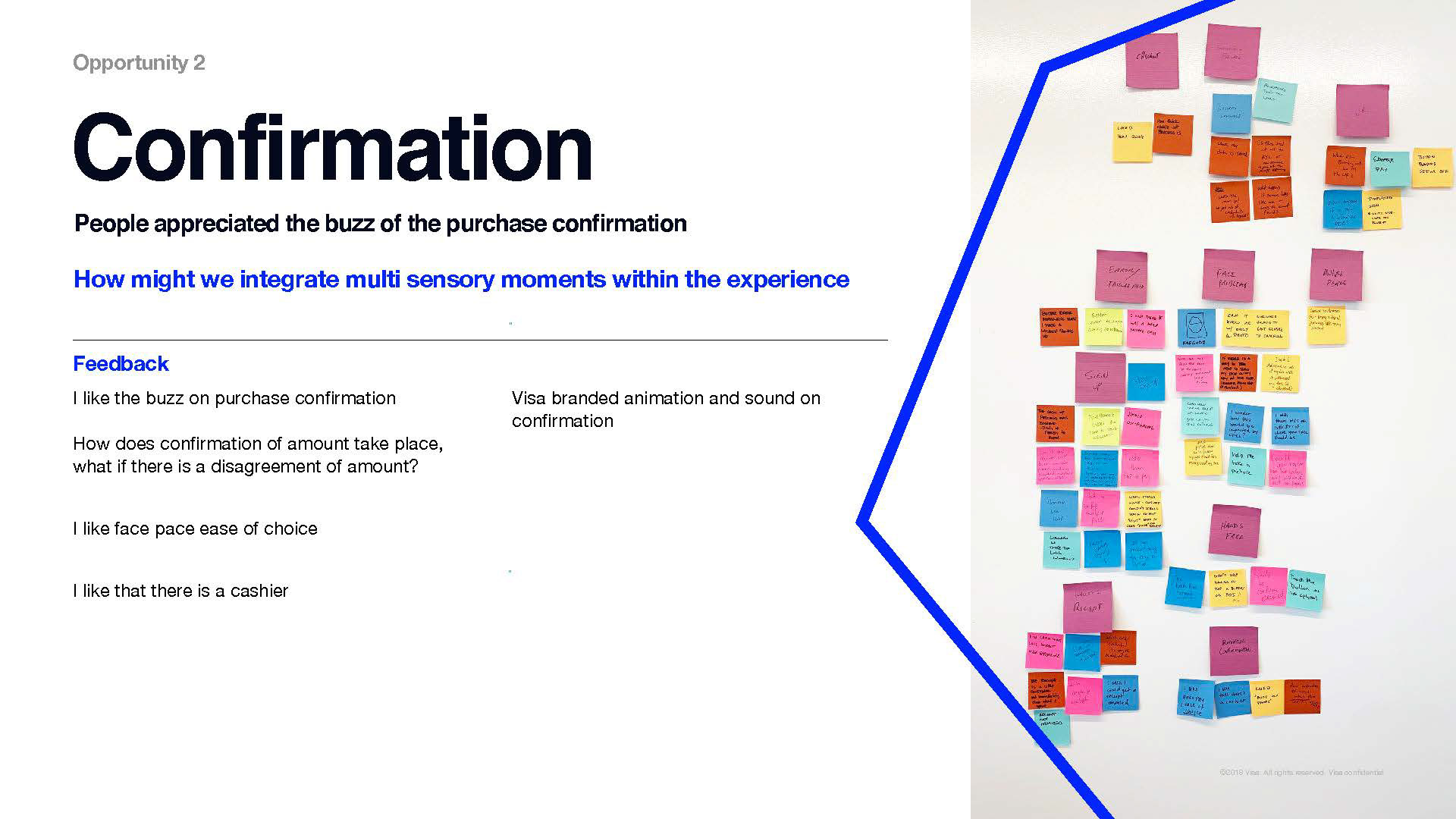
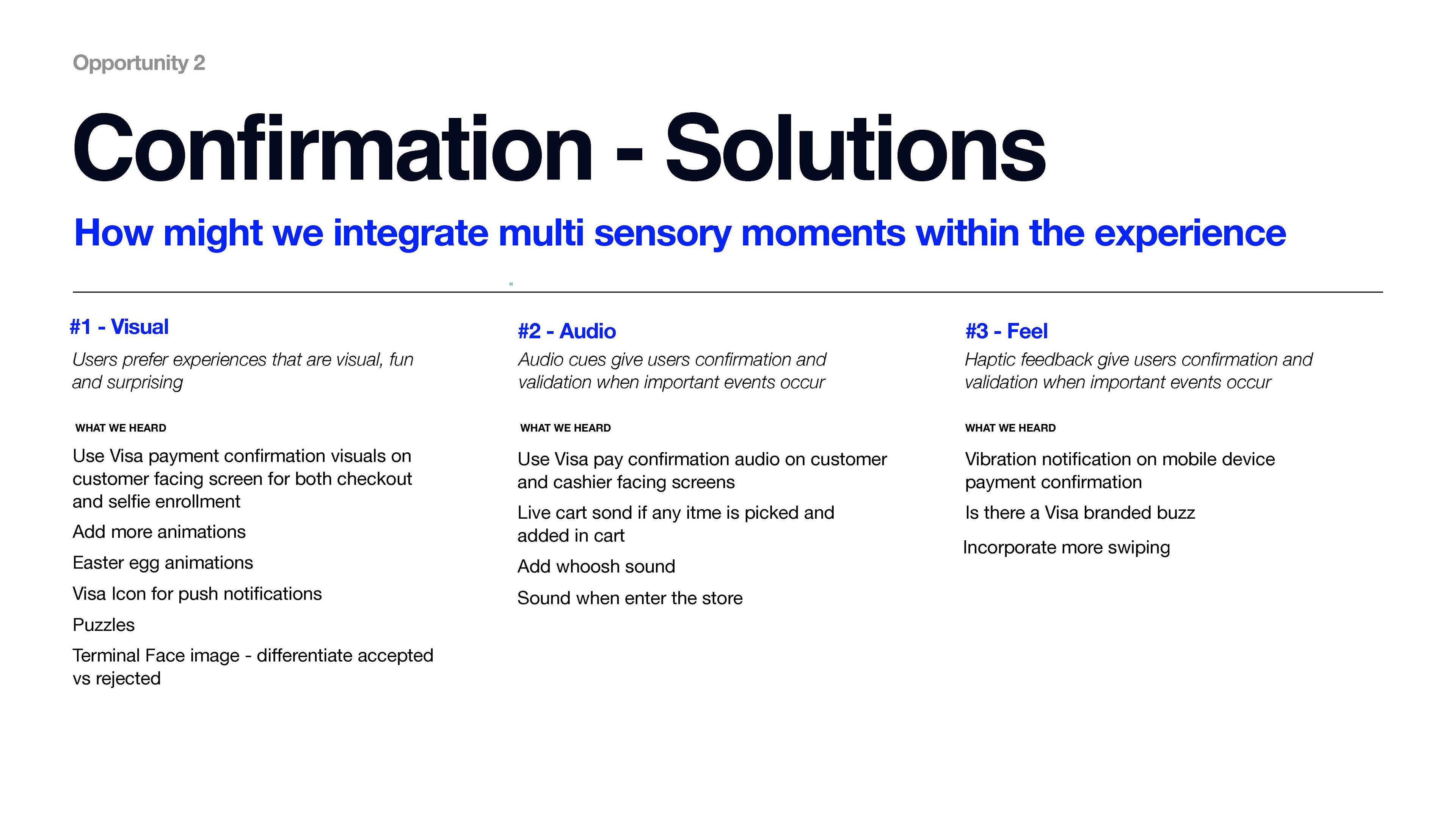
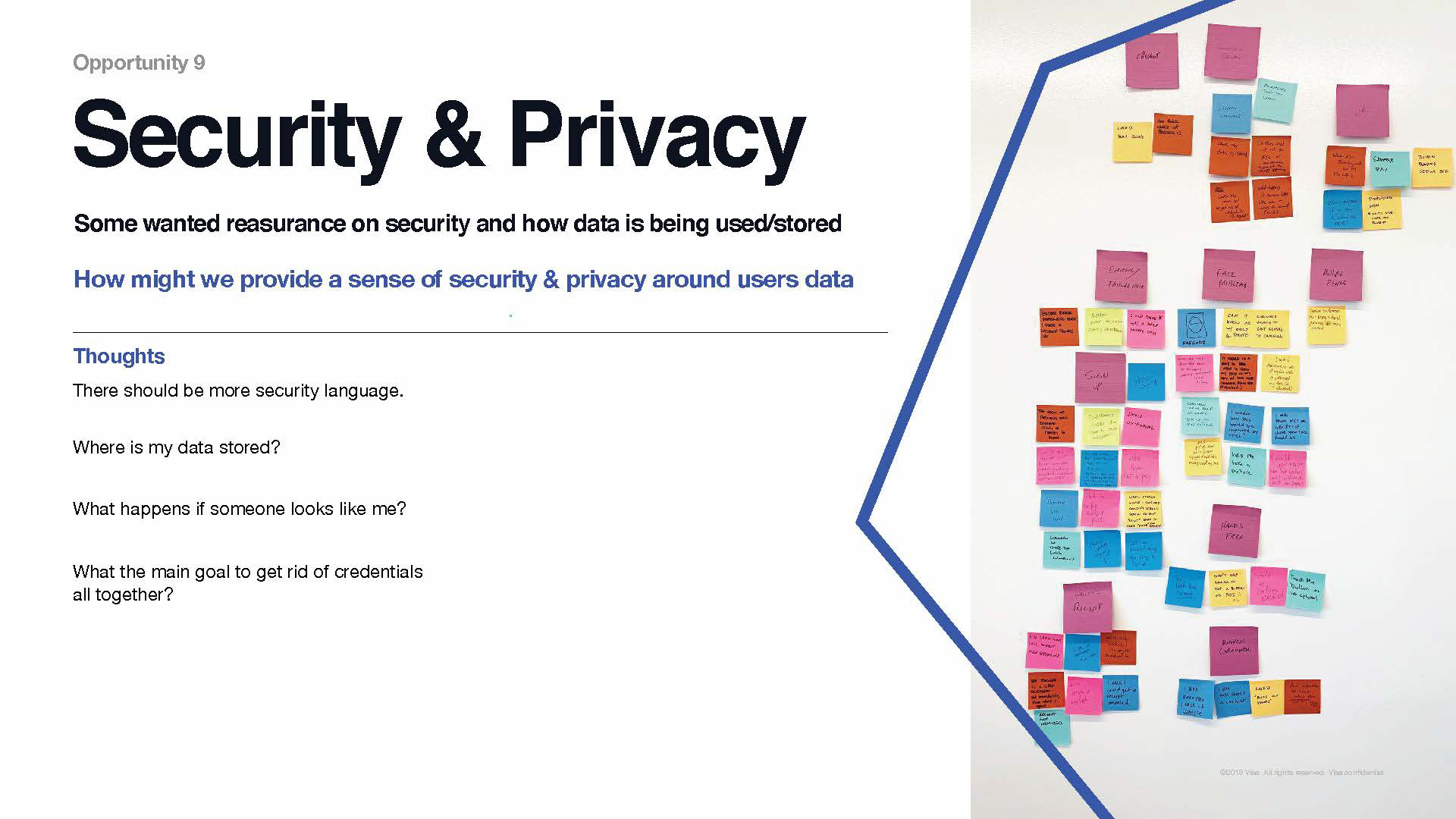
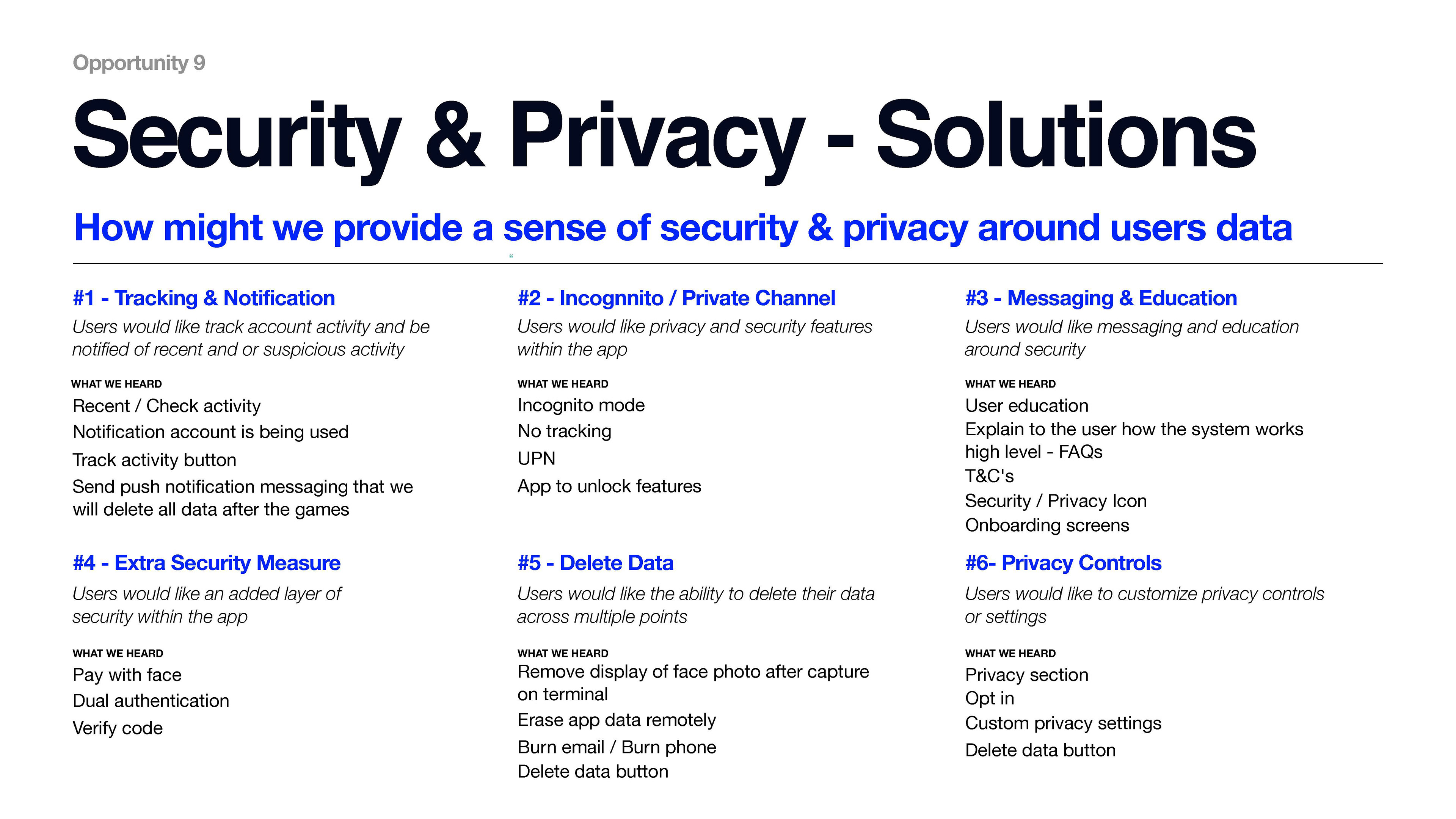
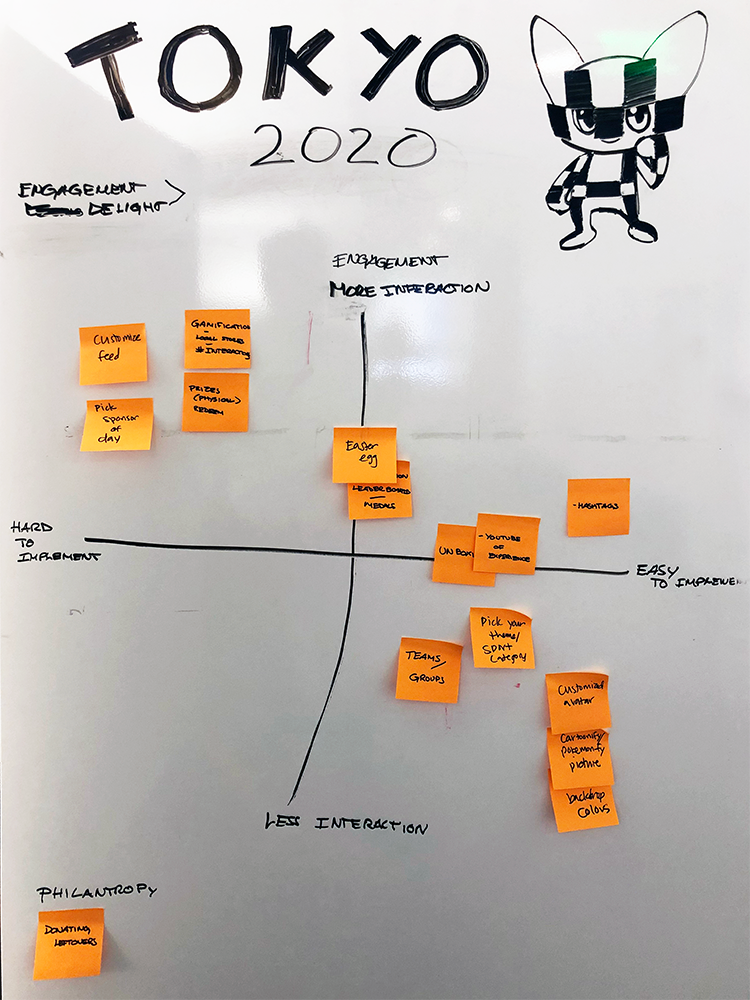
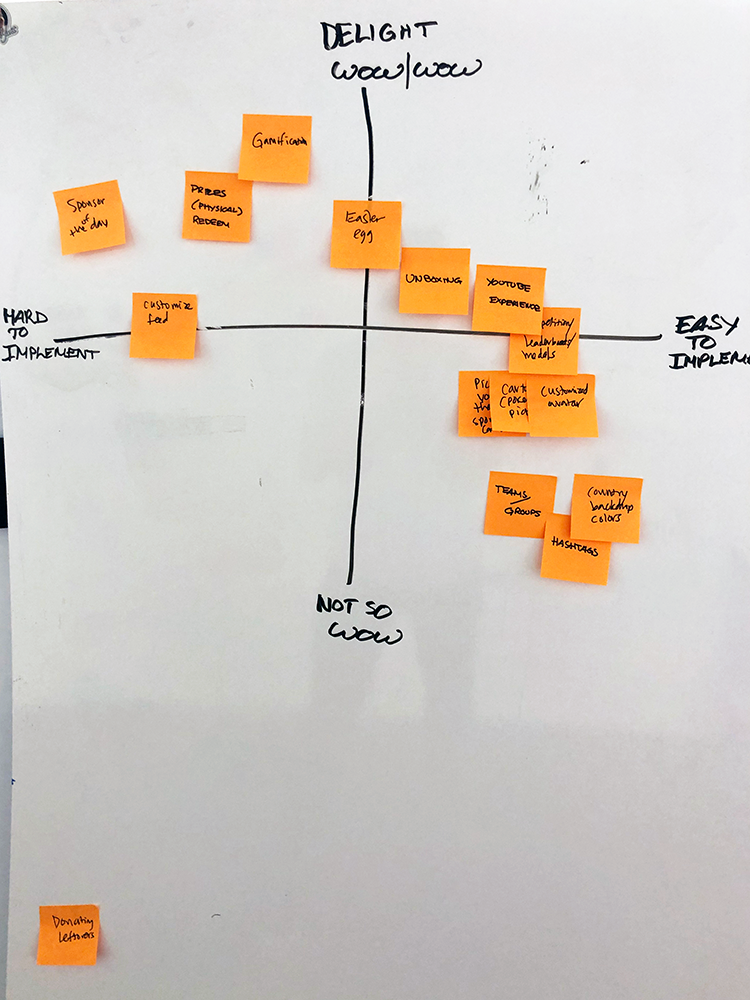
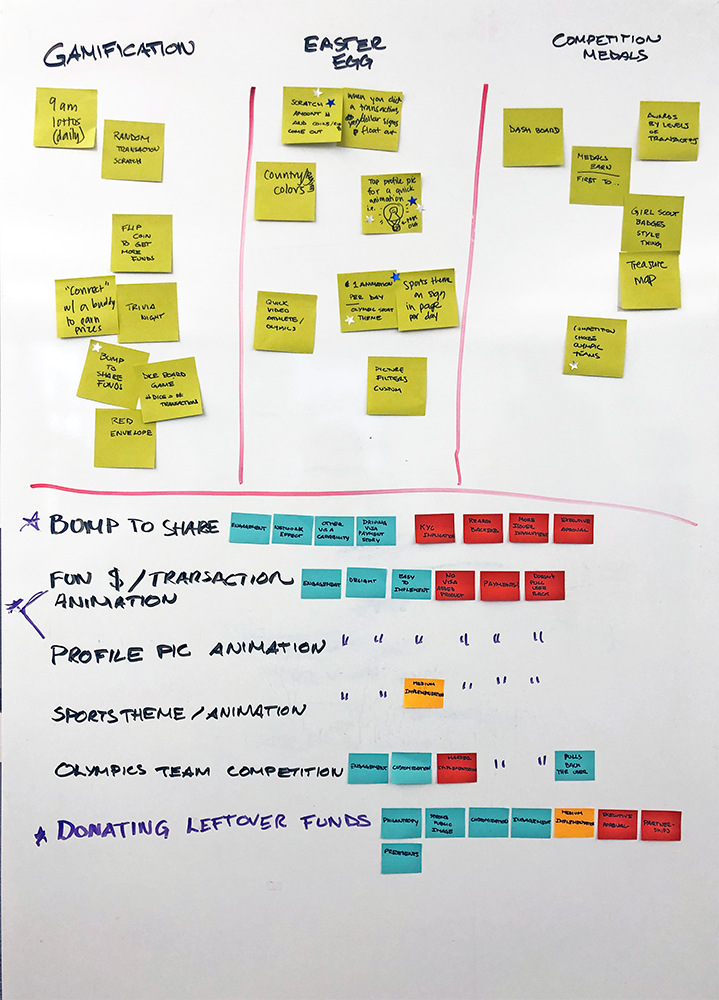
Opportunity for moments of delight
h Also explored moments that could add to the experience, such as giving a welcome/fun fact about the Olympics in the language you enrolled in.
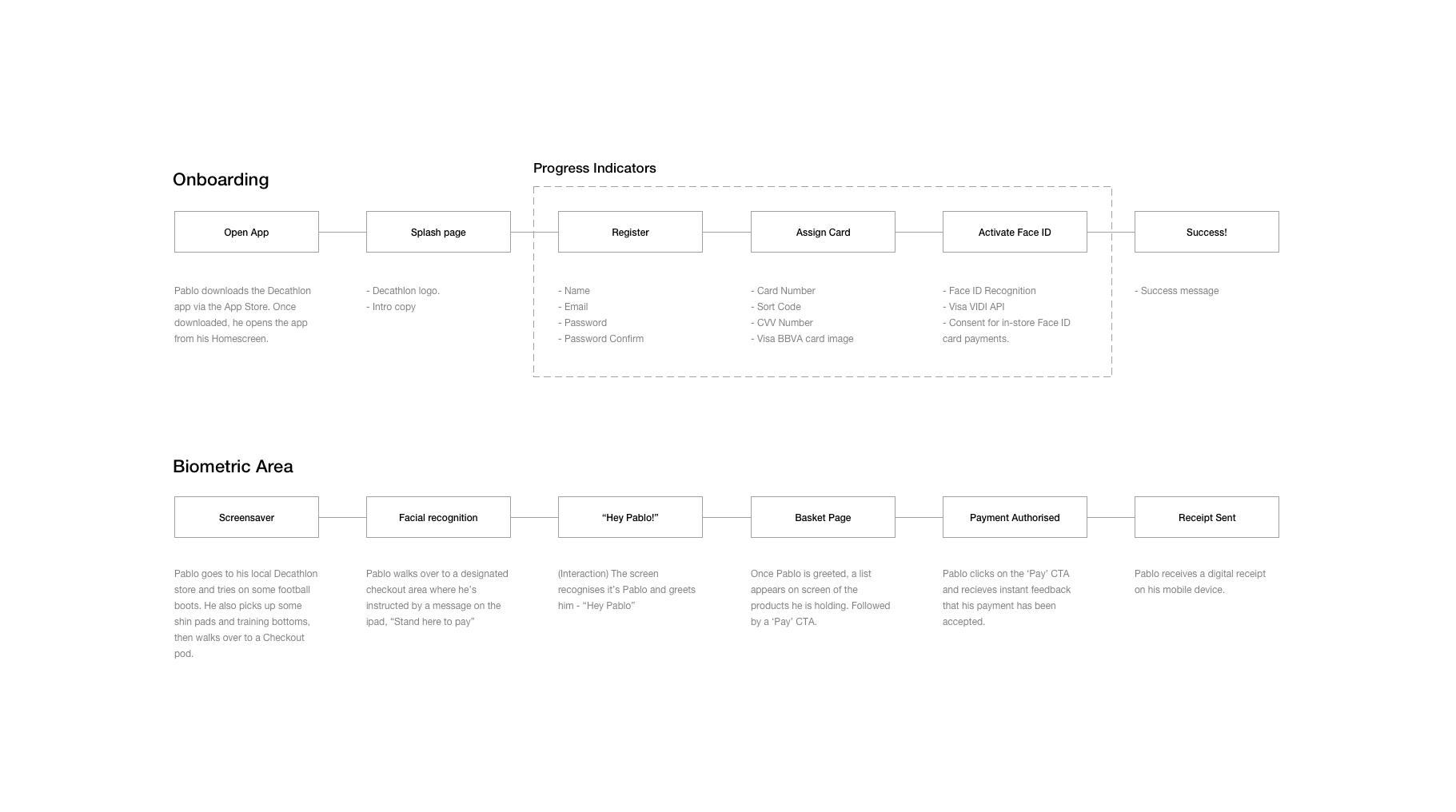
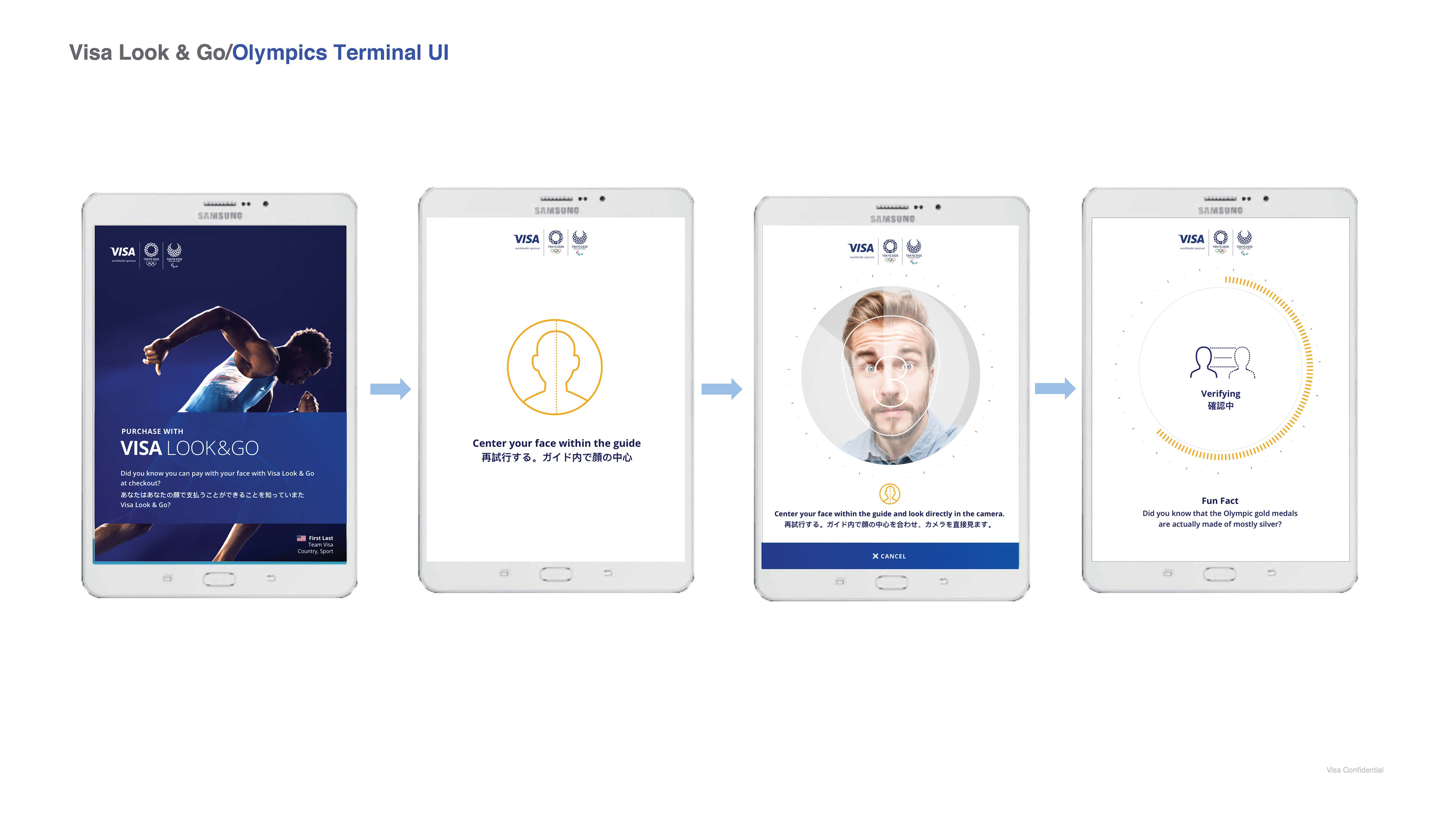
Based on this body of work, we built a checkout experience to be showcased at the Olympics featuring no hardware needed from the customer- provided they did complete onboarding at an earlier stage.
The following shows a typical experience you would see at the checkout - with just using your face for authentication.
The Terminal
While implementing a new biometric platform, we found that our biggest challenge would be the discomfort of a new way of doing things. To solve this we embraced the novelty and made it feel more like a photo booth than a checkout. The result was people having a lot of fun in a place that ordinarily is quite unremarkable.
Design-
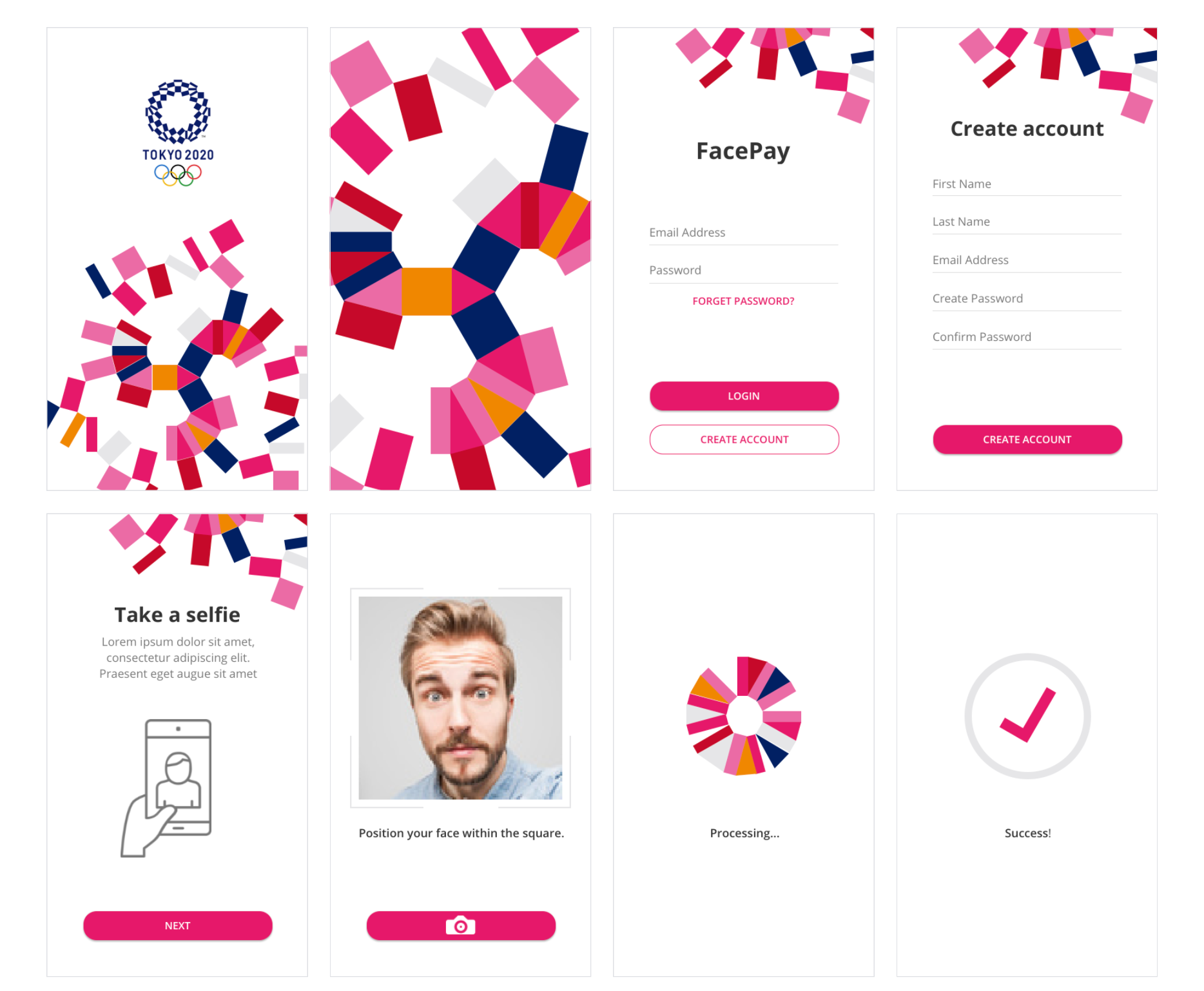
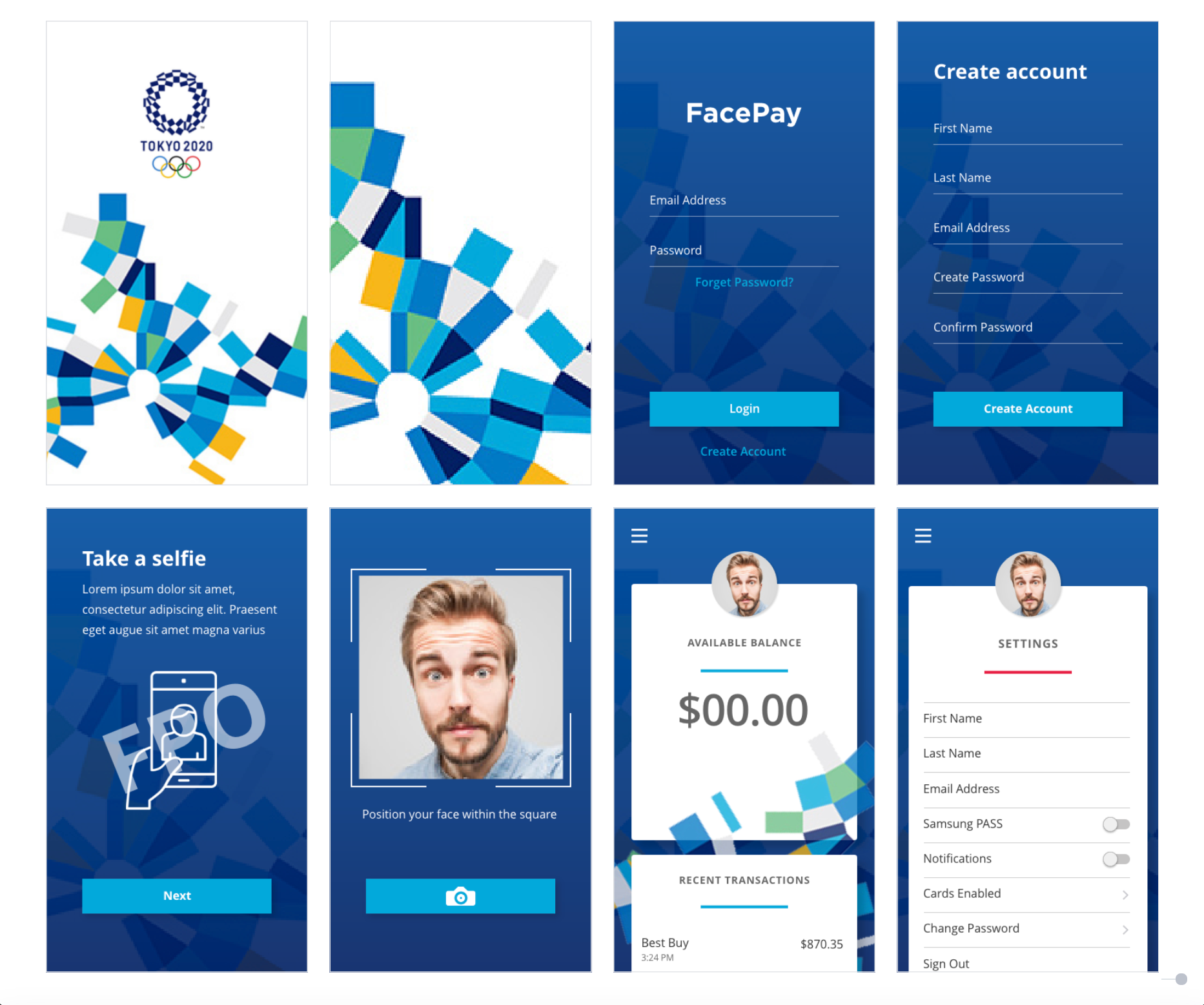
While we did explore design concepts based on the Tokyo Olympic Official Styleguide, we believed presenting the experience as a white label would allow it to fit within more environments and not compete with any potential store brand partnerships.
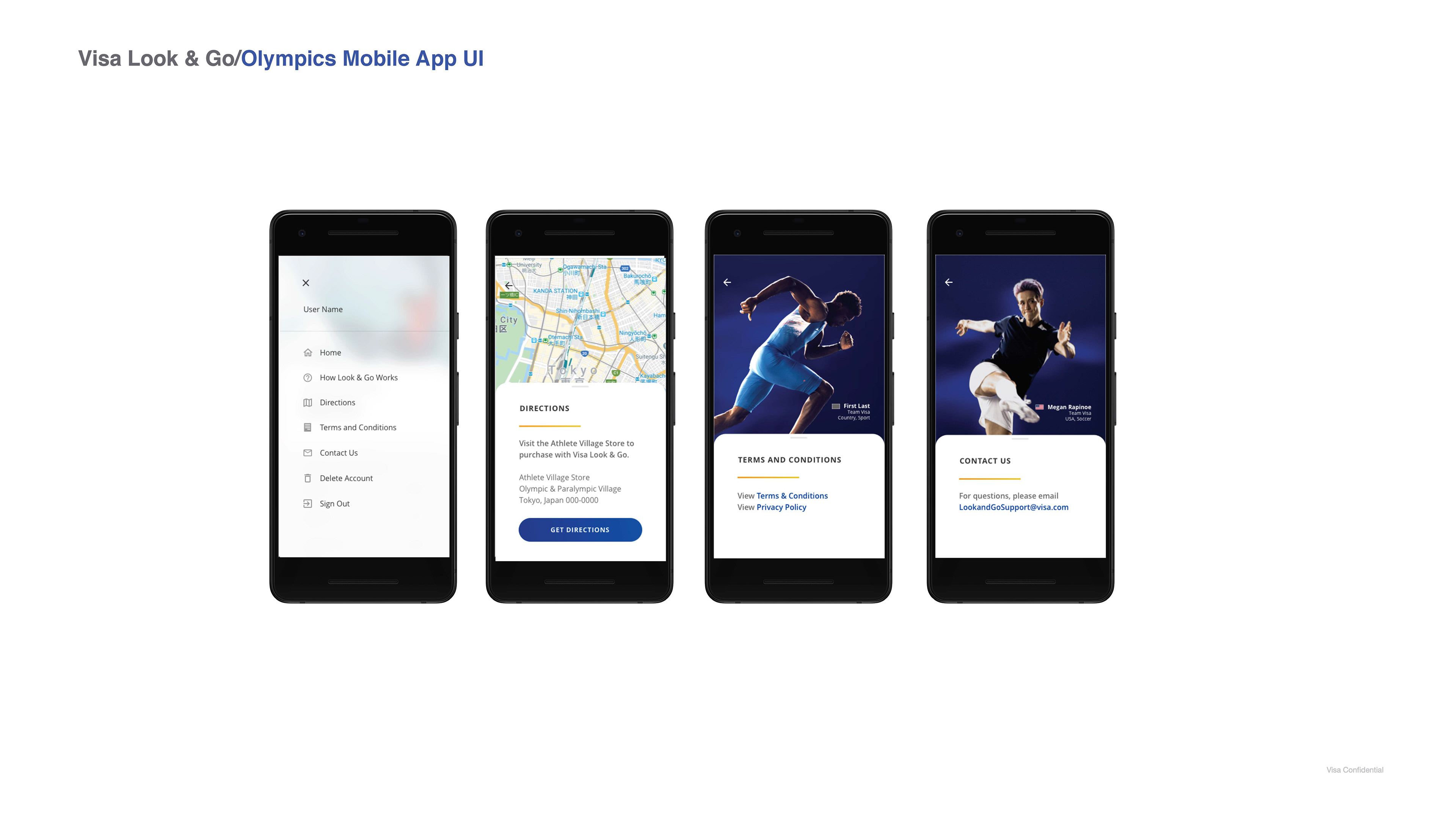
A mobile app was created to onboard users for the in-store experience (that would ideally be completed well in advance of shopping), keep track of credits, purchases and a touch point for new offers and engagement.
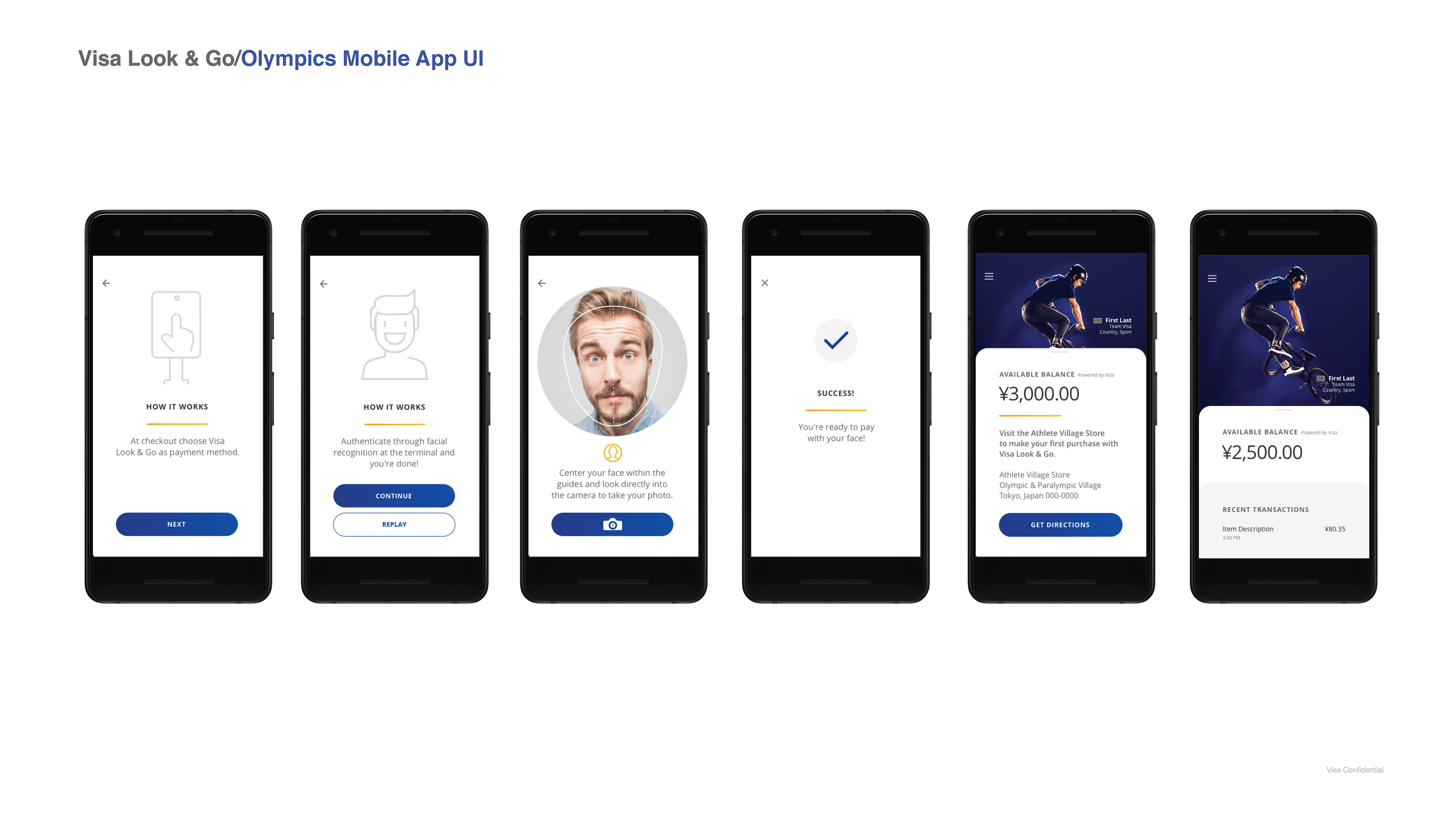
The end goal of launching at the Olympics, give it worldwide exposure and drive interest to adoption, validate the desirability/viability for our own leadership as well as partner companies, and drive completion of creating an API toolkit for future partnerships.
Since Covid-19, this technology is even more vital to provide a completely touch-less checkout experience for customers.